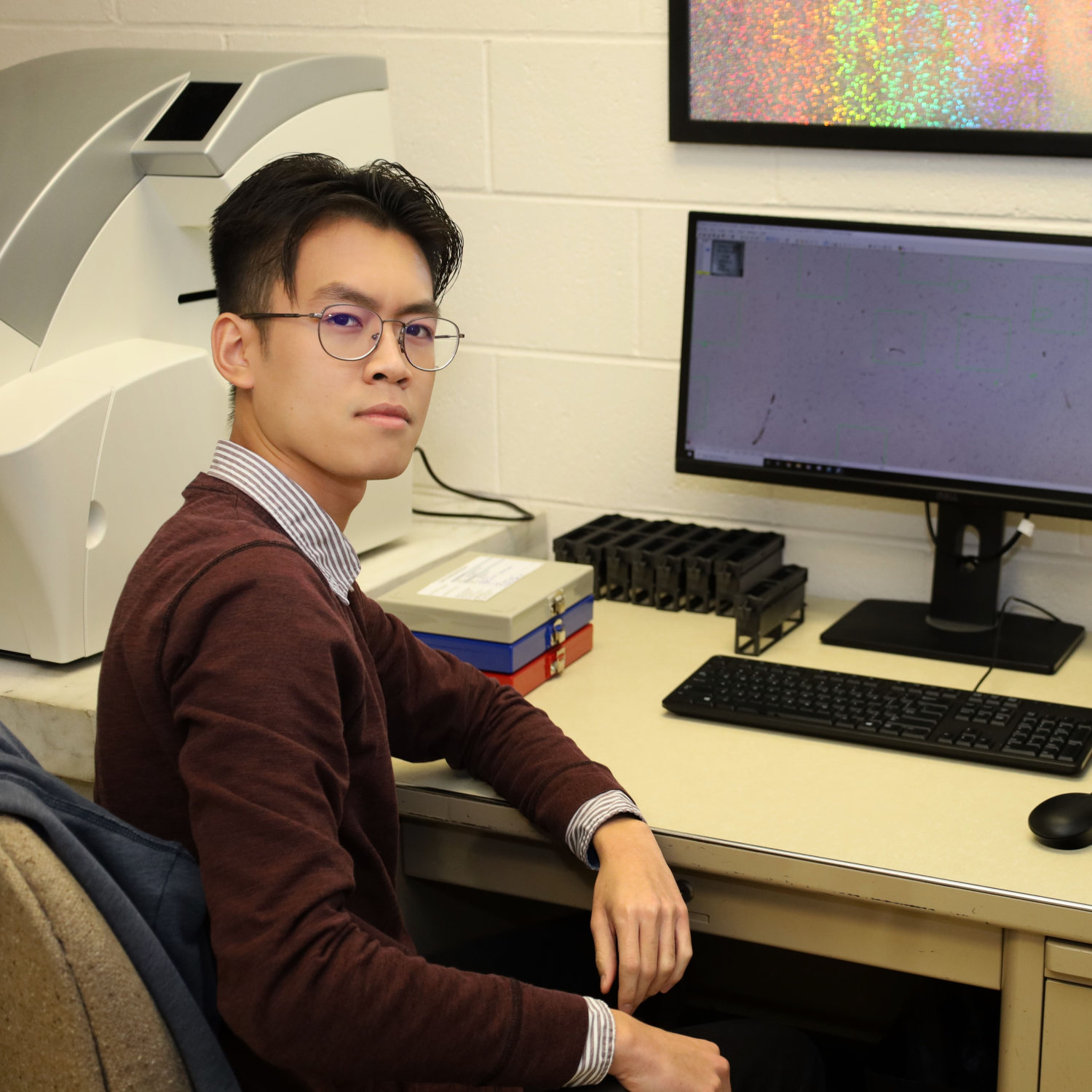
Peter Nelson, M.D., Ph.D.
Professor and Director of Neuropathology
The Neuropathology Lab is led by Dr. Pete Nelson. Pete is passionate in seeking a therapeutic strategy to combat dementia. In addition to medical school (University of Chicago), residency, and neuropathology fellowship, and post-doc with Dr. Zissimos Mourelatos, Pete was trained by Dr. John Trojanowski and Dr. Virginia Lee at the University of Pennsylvania. This was the lab where TDP-43 proteinopathy was discovered as a pathologic marker. Work at the University of Kentucky (since 2006) has provided insights into the associative impact of pathology in the aged brain, and how genetics may play a role in neurodegenerative diseases. Pete contributed to seminal papers aiming to harmonize the common brain diseases of aging with the pathologies we can define at autopsy — particularly, limbic-predominant age-related TDP-43 encephalopathy (LATE) and primary age-related tauopathy (PART). Pete also participated in consensus papers on the neuropathologic diagnosis of Alzheimer’s disease, age-related tau astrogliopathy (ARTAG), and Lewy body pathologies.
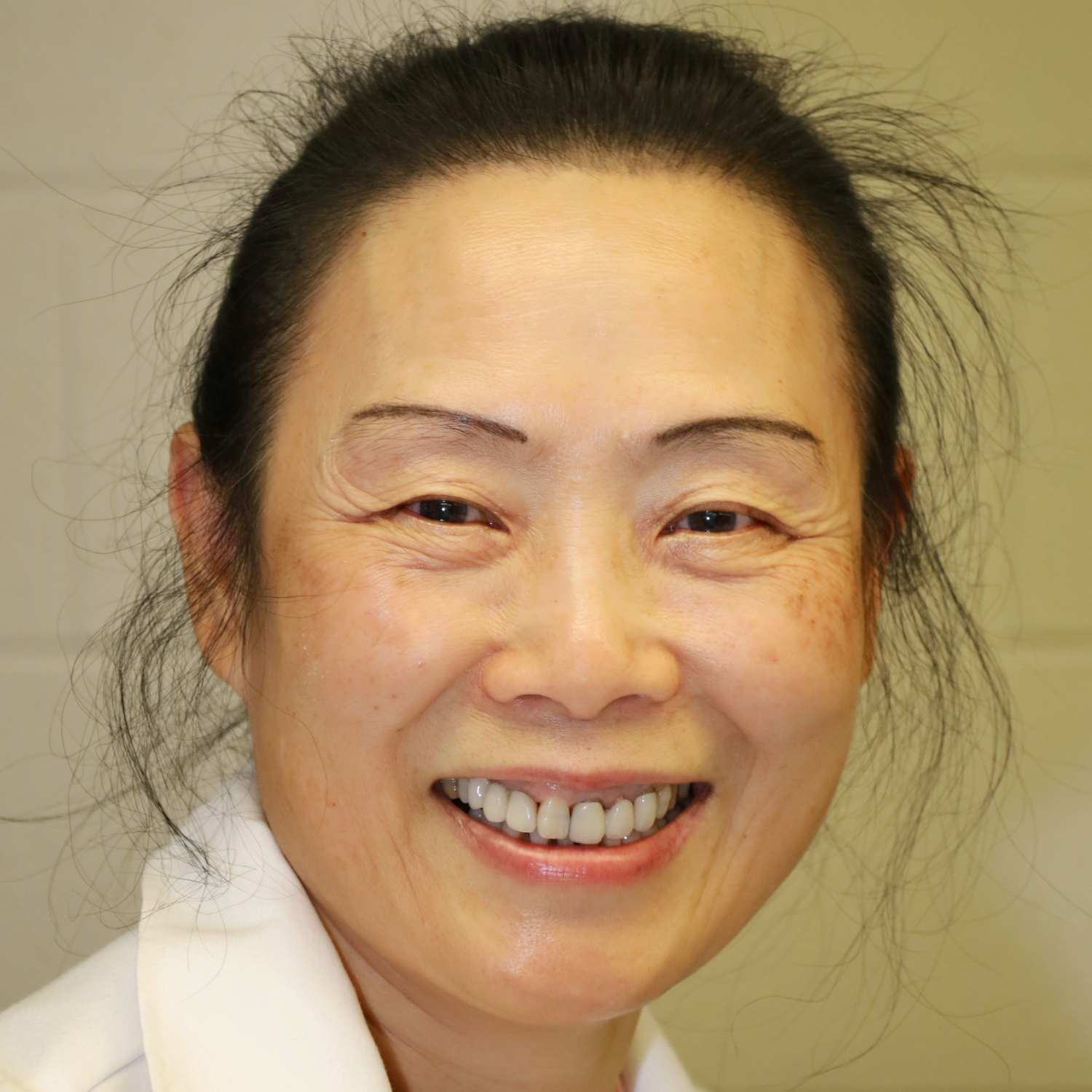
Research Assistant Professor
Wang-Xia obtained her Ph.D. degree in Plant Biotechnology and Biochemistry from the Hebrew University of Jerusalem, Israel, under the supervision of Prof. Arie Altman and Prof. Oded Shoseyov. She completed her first postdoc training in the laboratory of Prof. David Wallach at the Weizmann Institute of Science, Israel, where she extended her research training in NFкB signaling. Wang-Xia then continued her postdoc training in the field of microRNA biology under the guidance of Dr. Peter Nelson and Dr. Guiliang Tang at the University of Kentucky. Since joining Dr. Nelson’s laboratory in 2007, Wang-Xia’s research has focused on the role of microRNAs in neurodegenerative diseases and contributed to many of the high-impact research publications from the lab. Her recent studies conducted in collaboration with Dr. Joe Springer and Dr. Pat Sullivan reveal a novel role of mitochondria in mediating inflammatory microRNA activities in the context of traumatic brain injury. Wang-Xia also devotes a significant effort on developing microRNAs as biomarkers for Alzheimer’s disease and for the complications following aneurysmal subarachnoid hemorrhage.

Sukanya Srinivasan, Ph.D.
Postdoctoral Researcher
Sukanya joined the Nelson group in May 2020 for her post-doctoral training. She obtained her PhD in Biochemistry from Case Western Reserve University under the guidance of Dr. Eckhard Jankowsky. In her current role, she studies the function of AP-2 alpha adaptins in endolysosomal trafficking pathways, ie: their role in the internalization, propagation and clearance of aggregation prone proteins under physiological and pathological conditions. She hopes to combine her expertise in biochemistry with her current training in cellular neurobiology to ultimately assist in therapeutic development for neurodegenerative diseases by targeting the underlying mechanistic pathways.
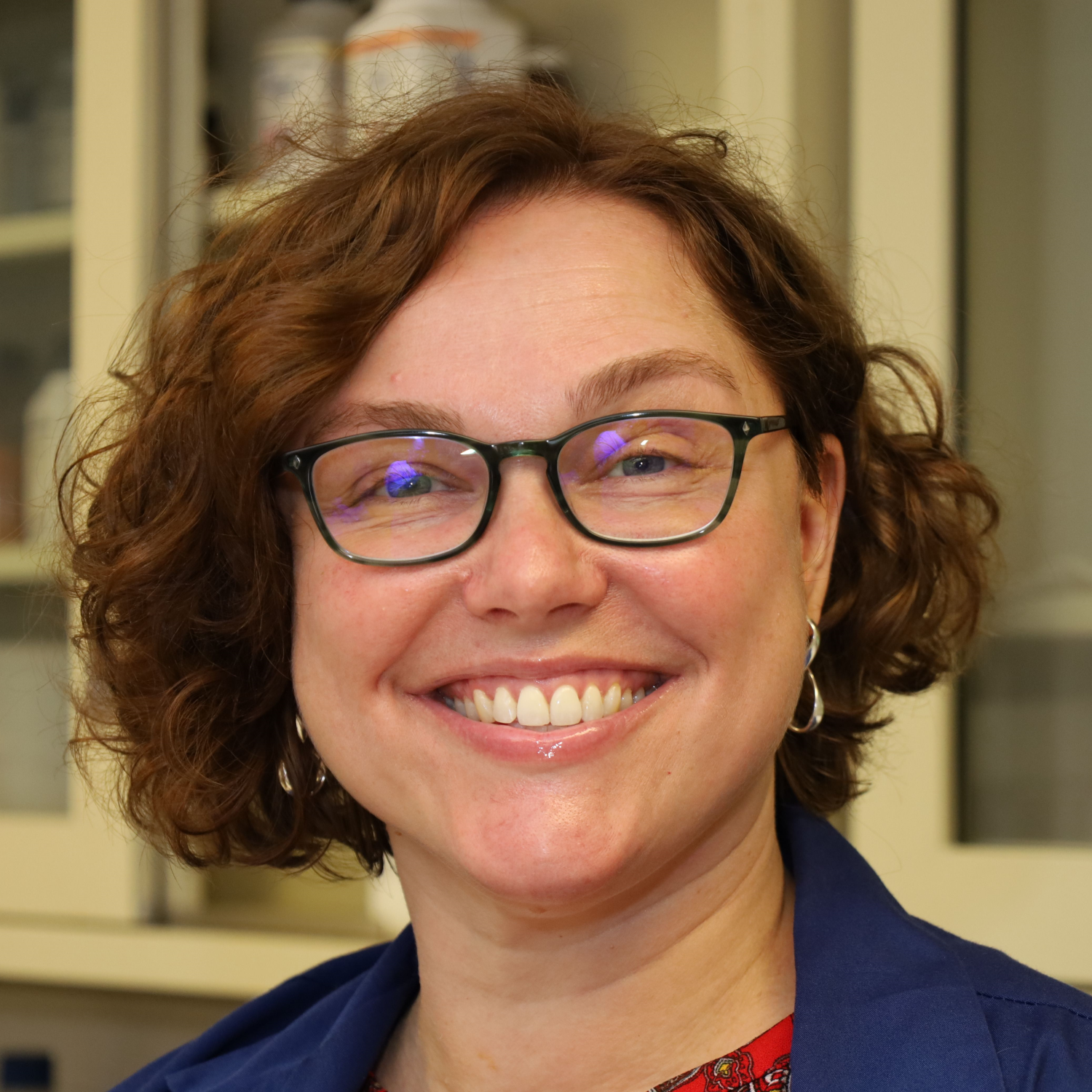
Dana Niedowicz, Ph.D.
Scientist II
Dana has always been interested in human health and disease. She received a PhD in Cell, Molecular, and Developmental Biology, studying the effect of hyperglycemia on oxidative stress and phospholipid asymmetry in human erythrocytes at Indiana University, Bloomington. In her first postdoctoral position, working with Dr. Doug Andres at the University of Kentucky, she studied two Ras-related G-proteins, Rem and RERG. Dana joined the Sanders Brown Center on Aging in 2008, with Dr. M. Paul Murphy, investigating the diabetes-associated risk for dementia. Dana was integral in the creation of a new mouse model that encapsulated features of diabetes and Alzheimer’s disease. The resulting mouse model (db/AD) exhibits severe age-related cerebrovascular pathology, such as aneurysms and strokes. In 2016, Dana joined the Nelson lab, studying a different age-related neurodegenerative disease LATE-HS, a form of dementia affecting the oldest old. As little is currently known about the disease etiology that underlies HS-Aging, this avenue of research has the potential to be very impactful. She is specifically interested in the influence of the sulfonylurea receptor ABCC9, as well as thyroid hormone dysregulation on the onset of disease. Interestingly, both of these pathways may be important in connecting metabolic dysregulation and late-life dementia. Dana is currently carrying out studies that modulate expression or activity of target pathways in mice, hoping to identify novel avenues for treatment.

Yu Zhong, Ph.D.
Scientist I
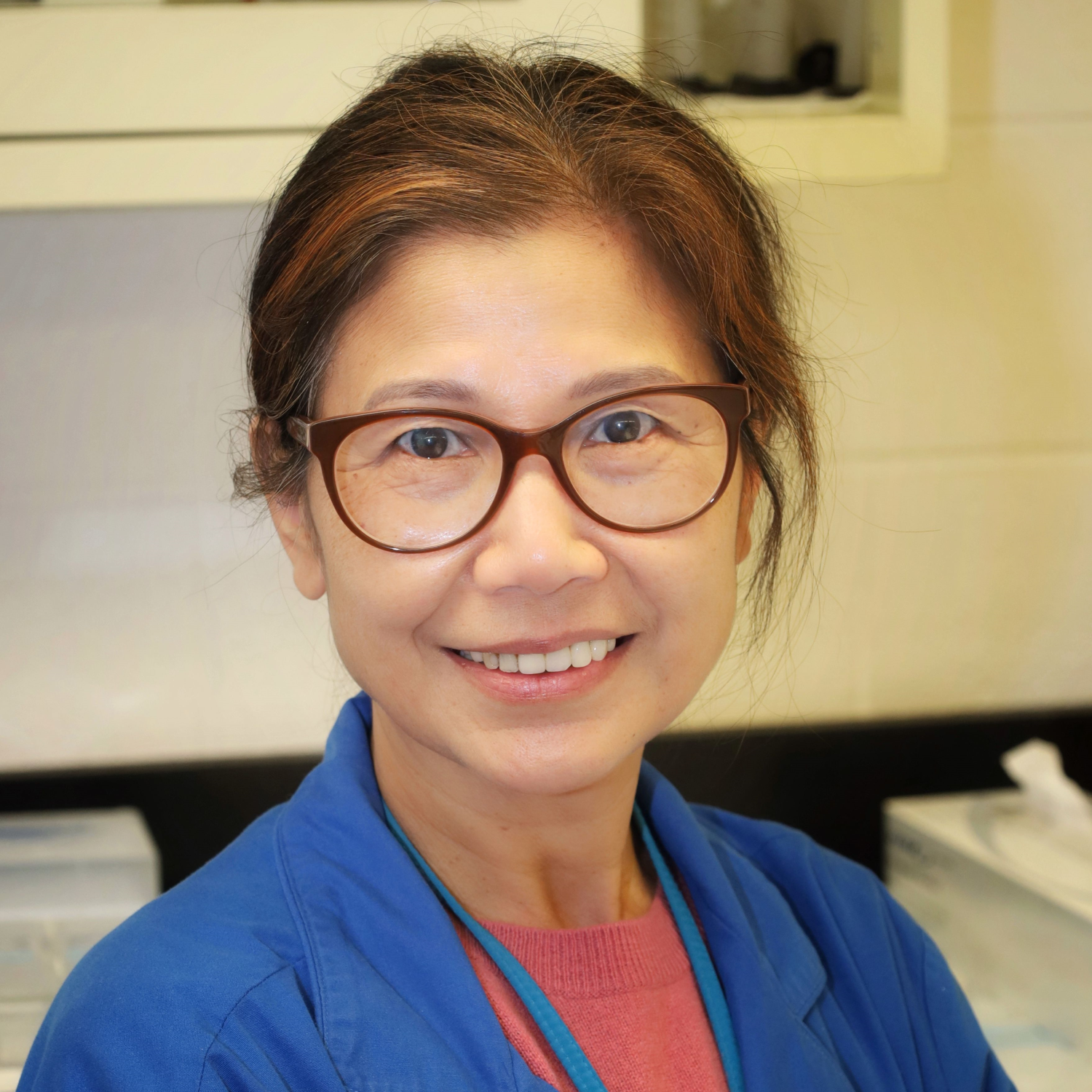
Shuling Fister
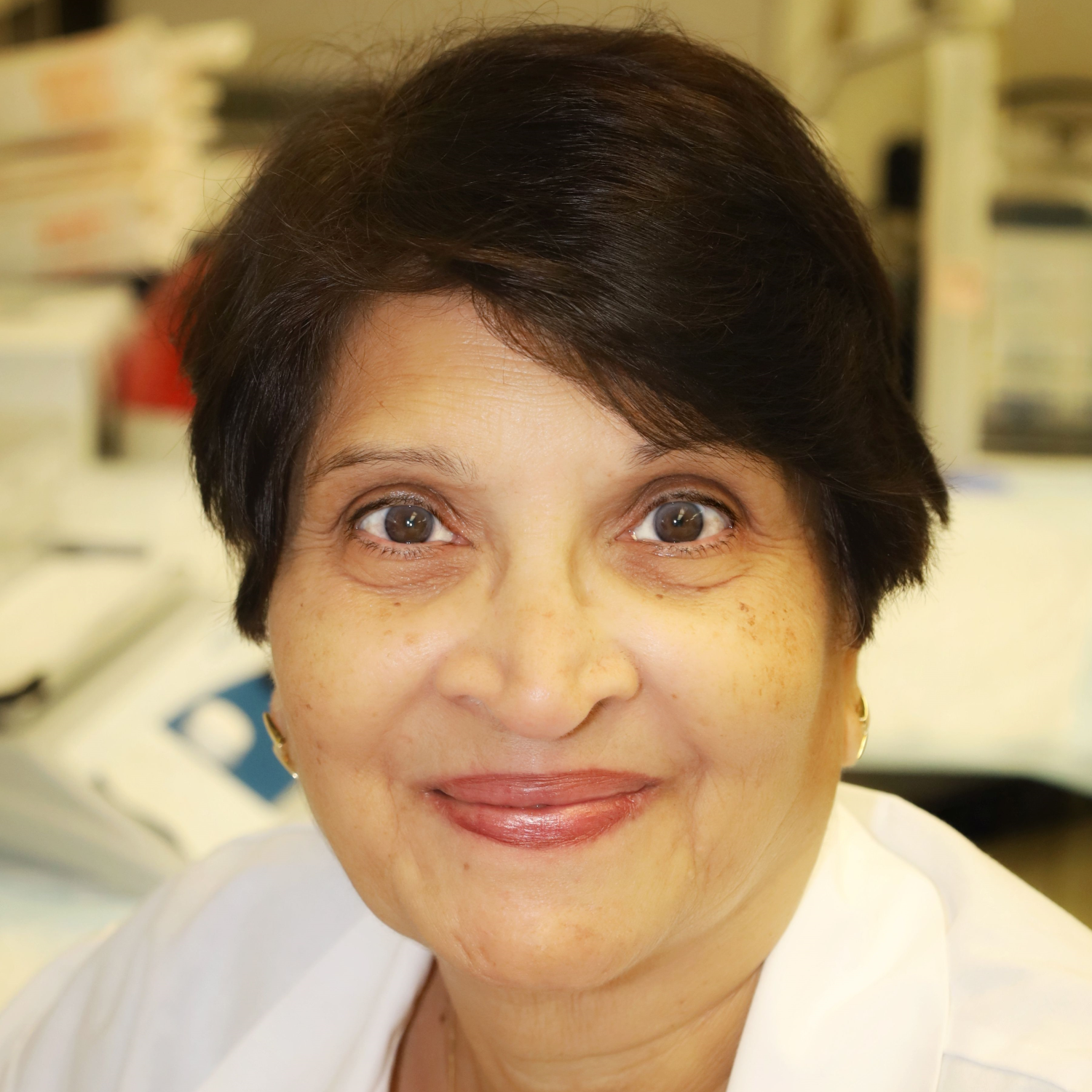
Ela Patel

Sonya Anderson
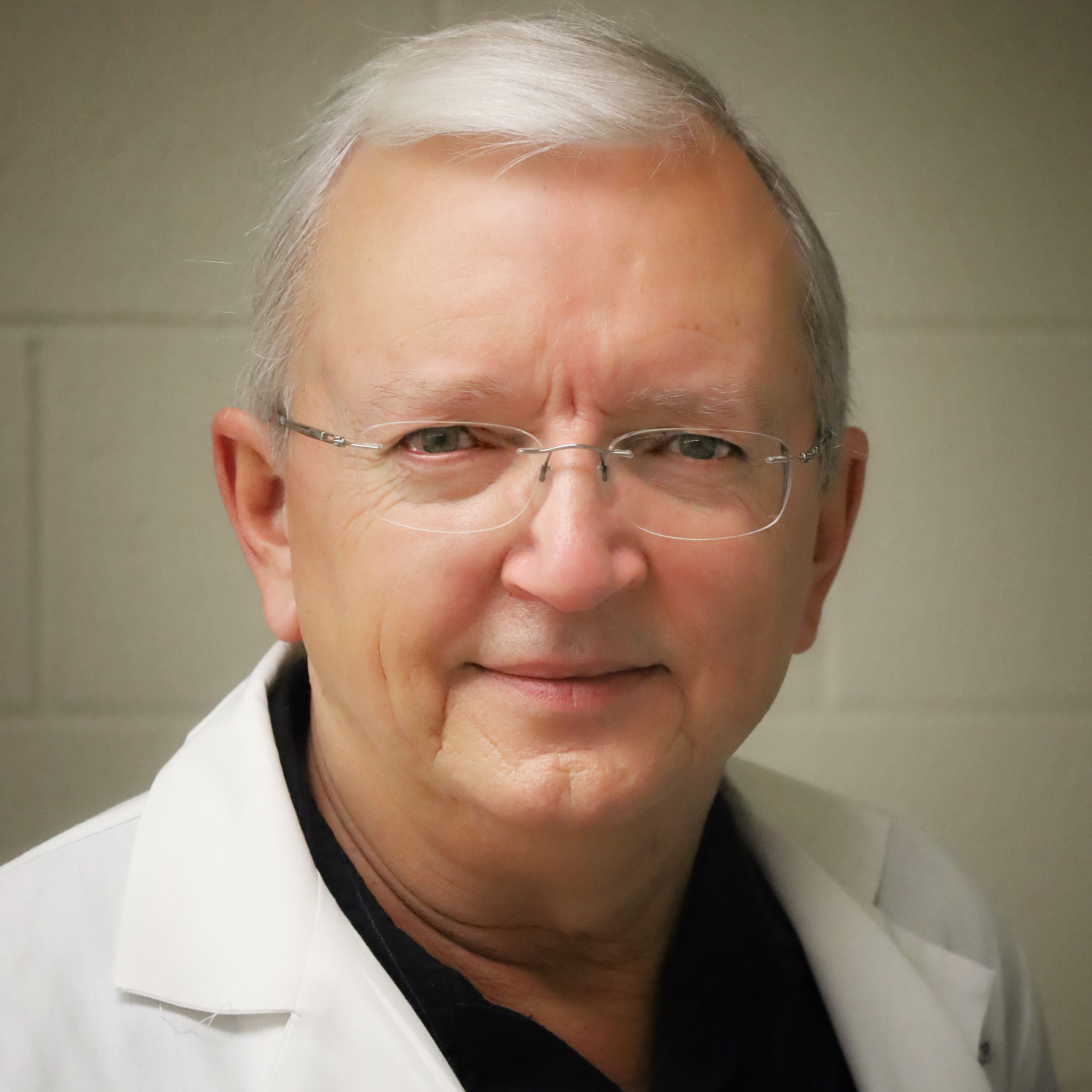
Douglas Price